•9 min read
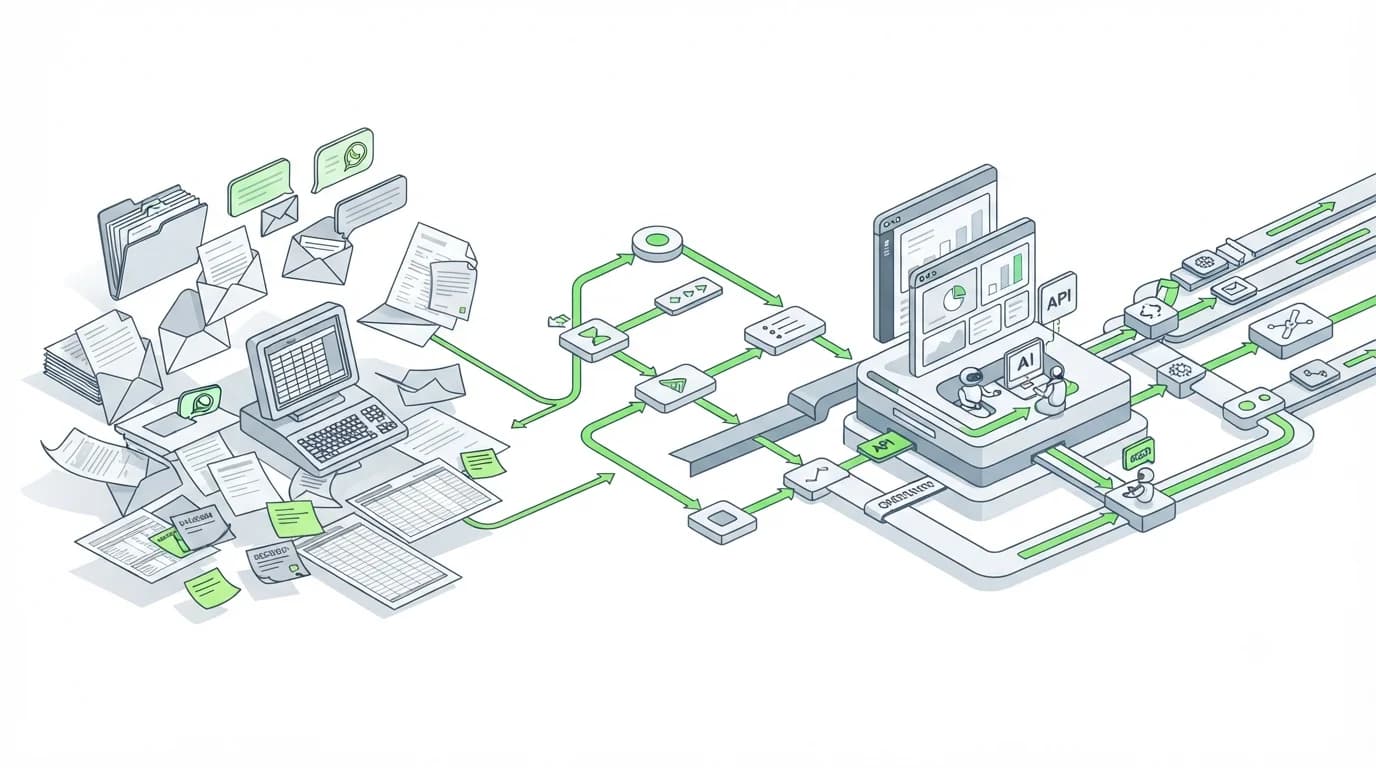
The universal solution is not an app. It is a method
There is no tool that can solve every business problem. There is a method for turning context, events and decisions into intelligent operating platforms.
Read article
Reflections on the future of software when real money and critical operations are at stake.
There is no tool that can solve every business problem. There is a method for turning context, events and decisions into intelligent operating platforms.
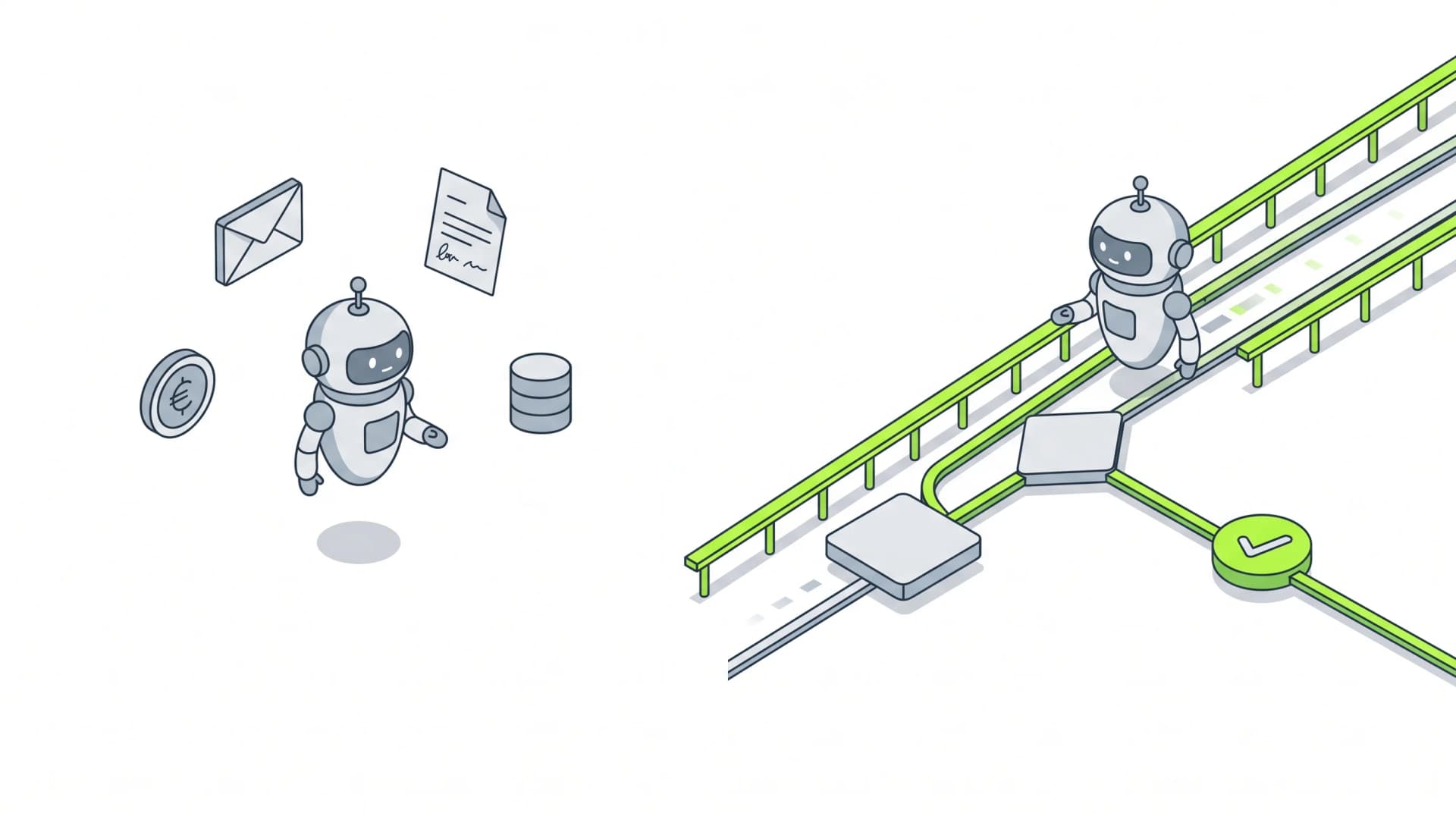
AI agents don't fail in the enterprise because the model is bad. They fail because they're set loose on a process that doesn't exist, with no guardrails and no one accountable for what they do. Autonomy isn't the first step, it's the last.
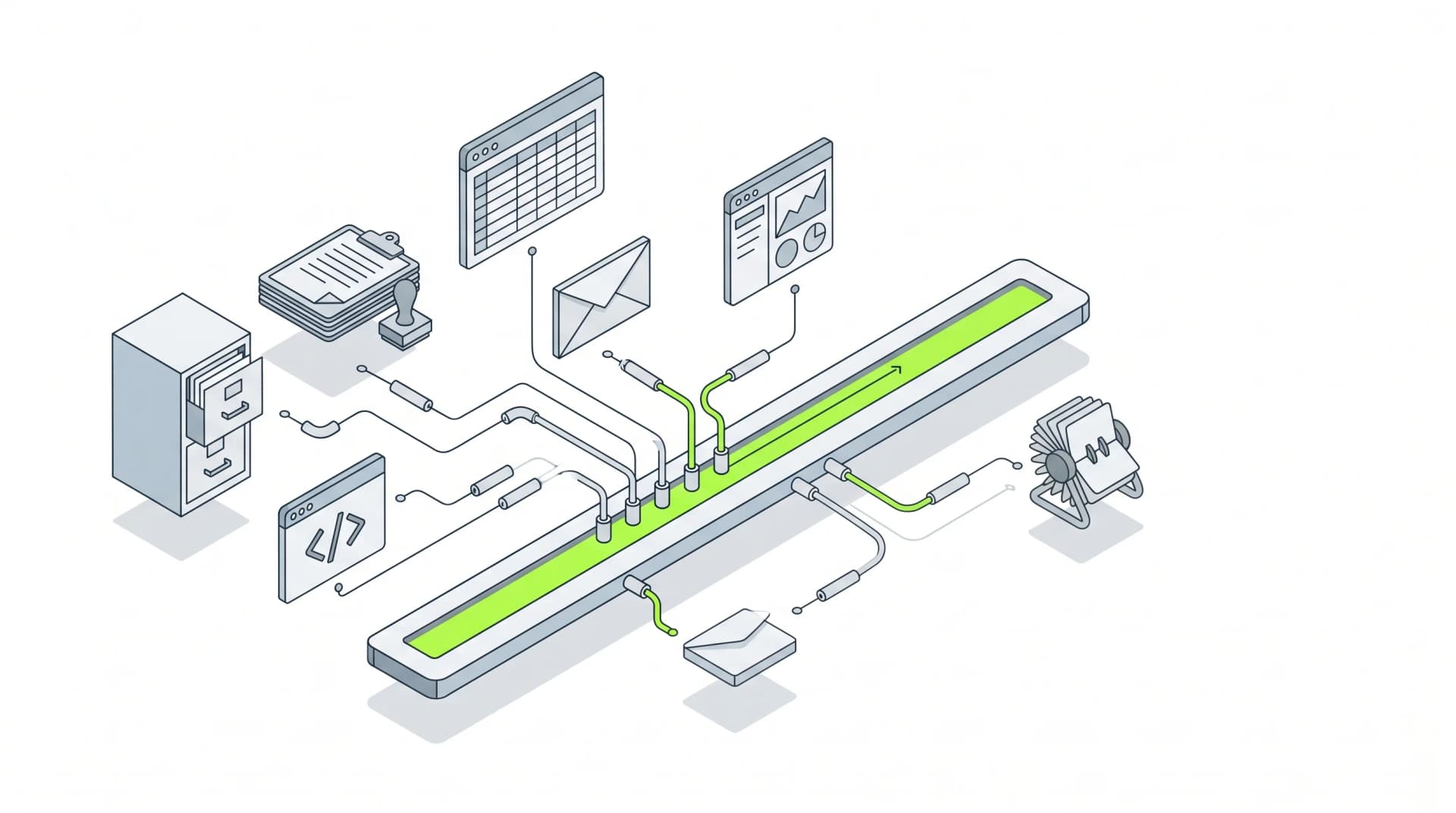
The core of our projects isn't an app that solves one specific problem. It's the platform the whole company runs on. And what makes it intelligent isn't the AI on top, it's the process modeled well underneath.
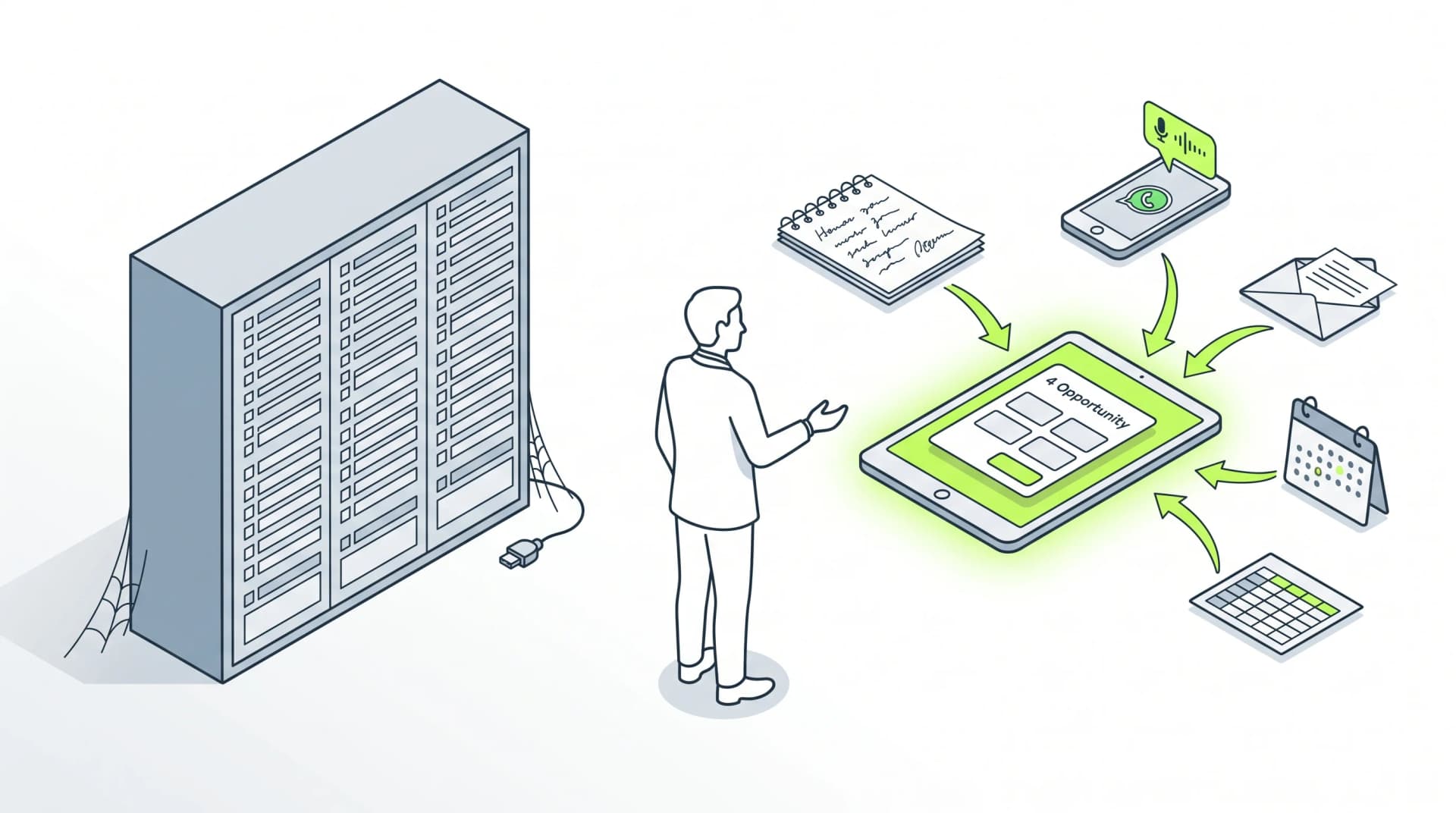
Most CRM rollouts don't fail because salespeople resist change. They fail because the tool is designed against the real sales process. Why your sales team's 'sabotage' is rational prioritization, not resistance.
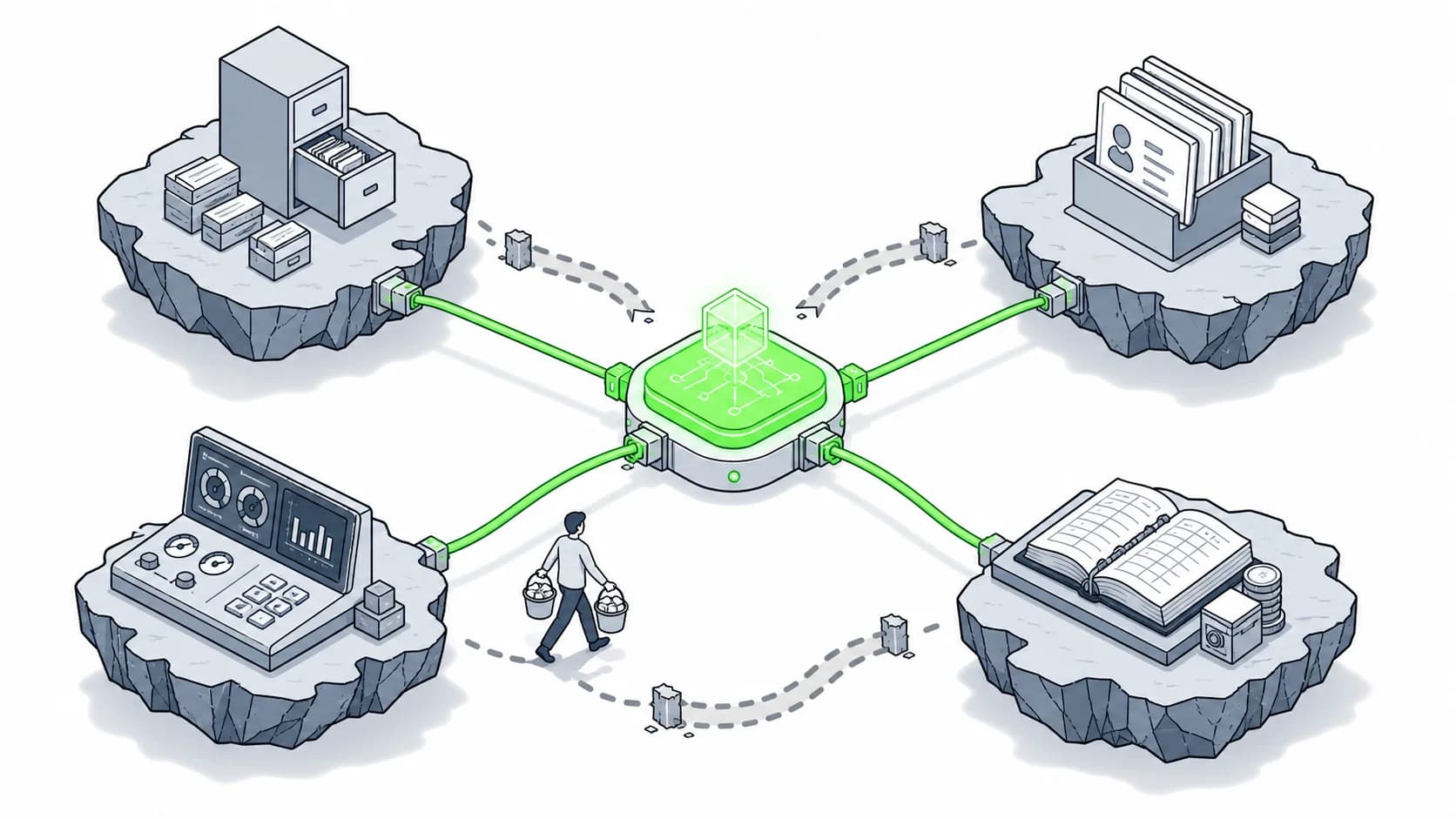
Most mid-size companies run as an archipelago: each department has its own tool, its own data, and its own version of the truth. The bridge between them is a person with a spreadsheet. That has a cost.
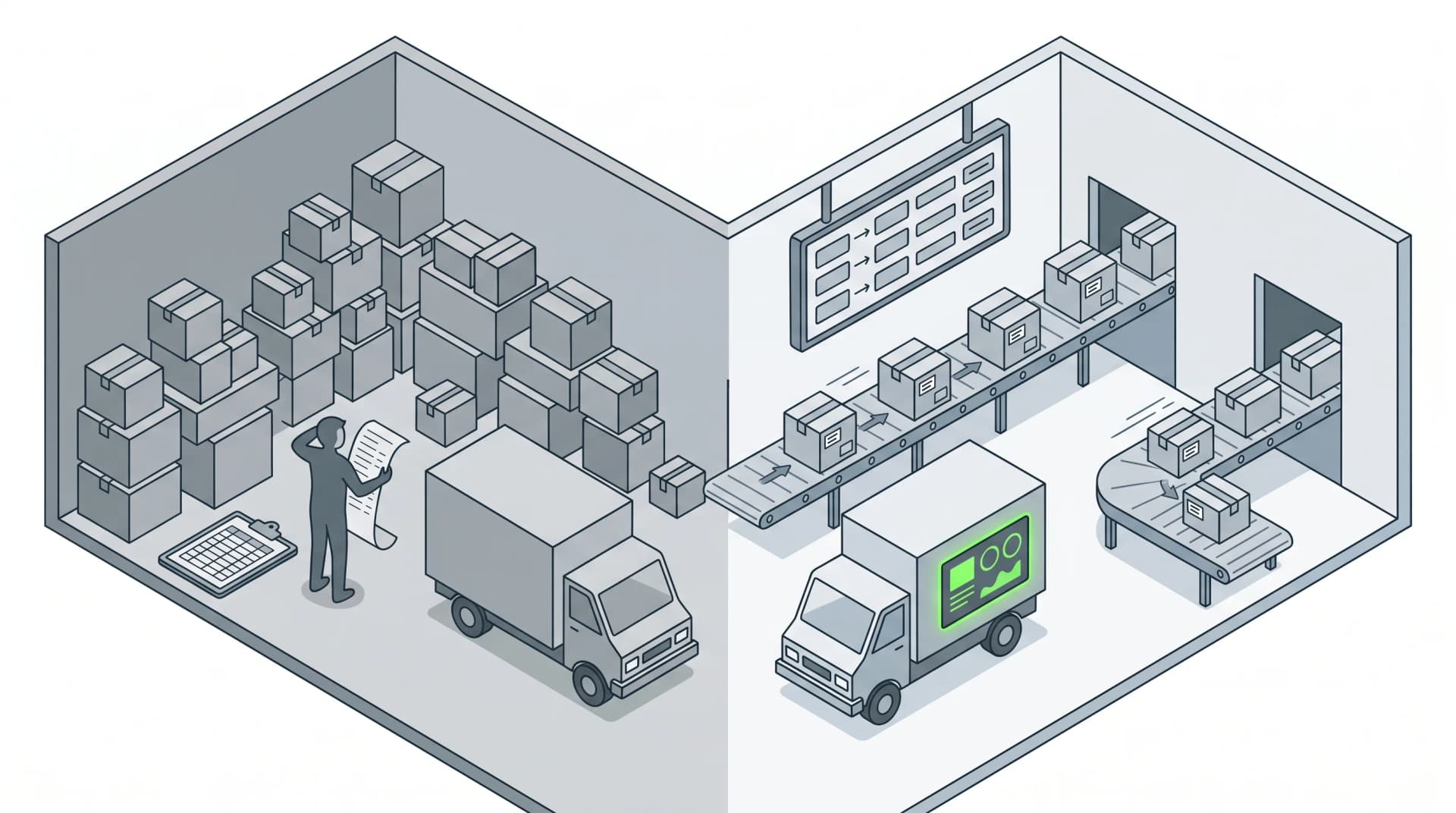
Last-mile delivery costs represent up to 53% of total logistics spend. In most mid-sized companies, that last mile is managed from a spreadsheet nobody designed and three different people edit simultaneously.
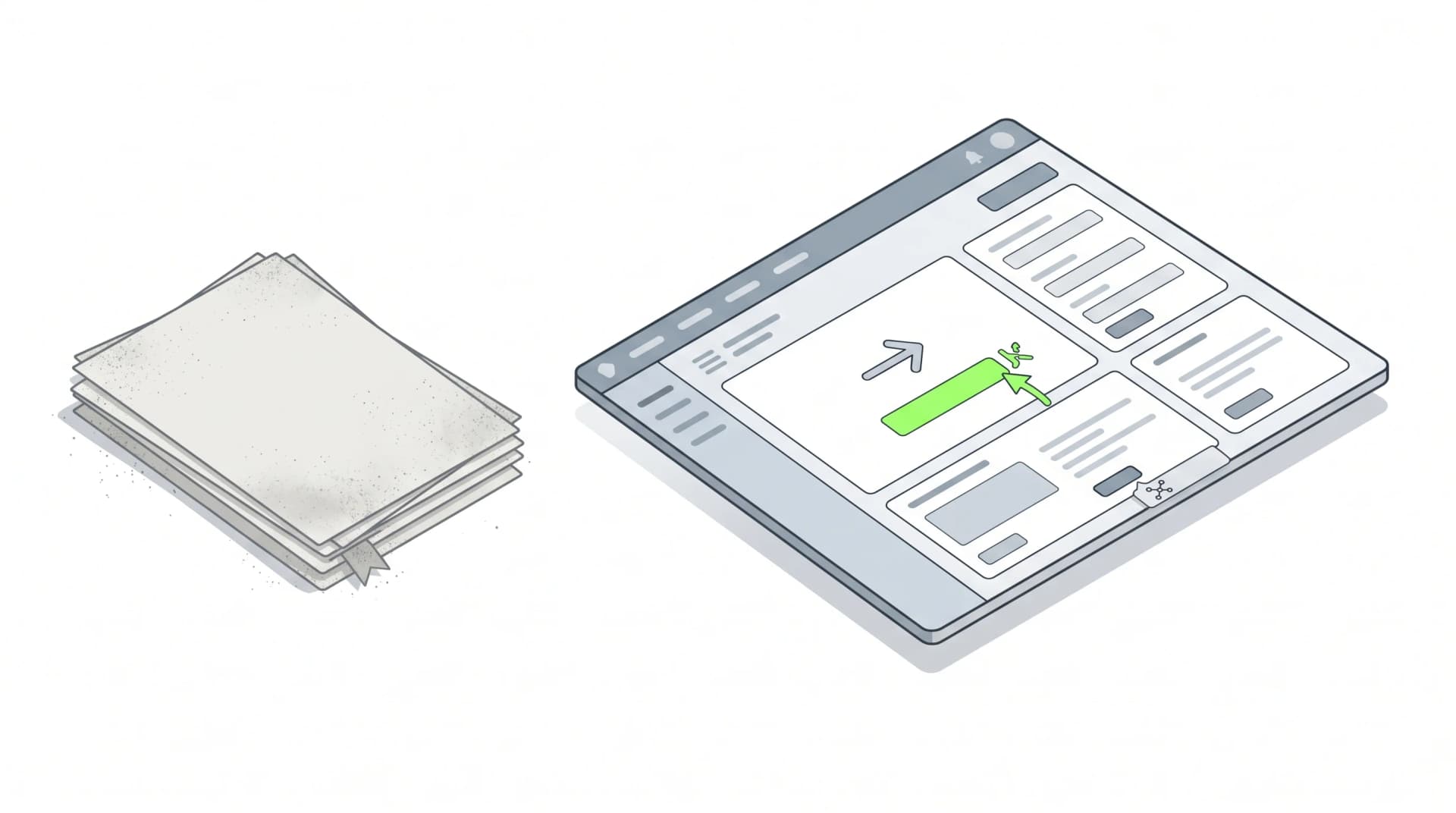
80% of features in enterprise software get used once or never. It's not a product problem — it's engineering that's been misfiled as documentation.
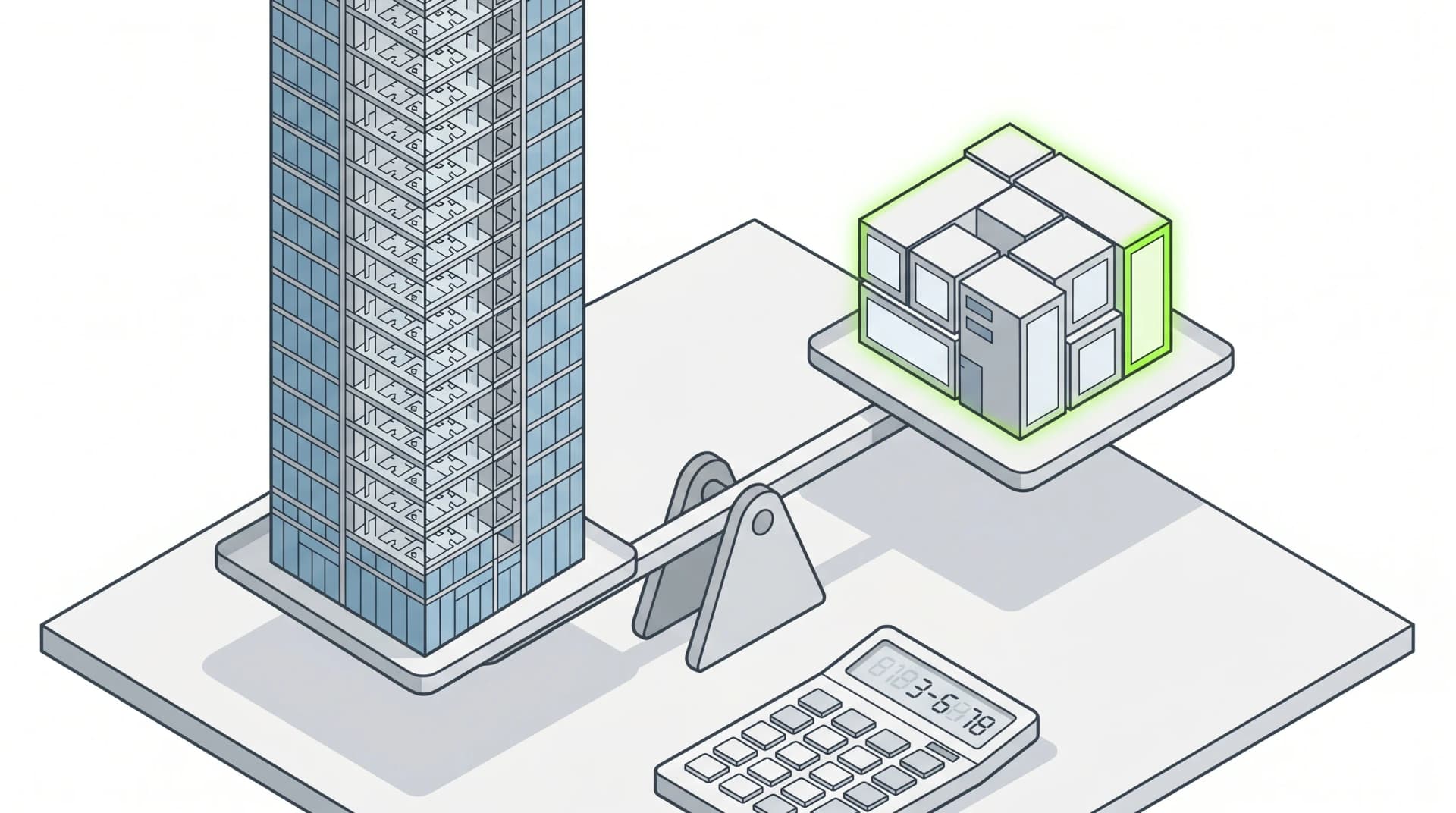
150,000 enterprise customers. Most use under 20% of what they pay for. The decision framework nobody gives you before you sign.
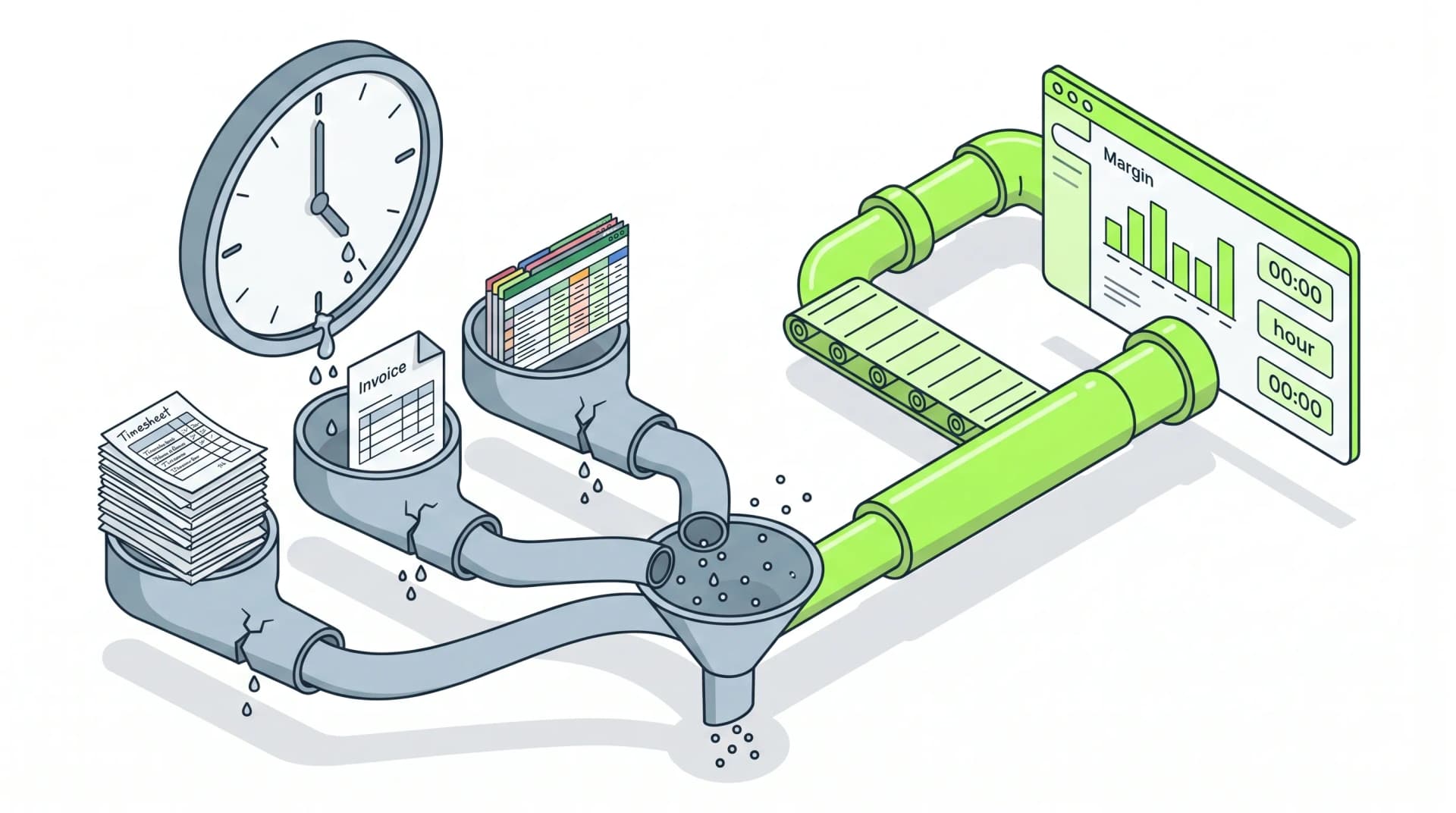
A 10-person consultancy can lose over €25,000 a year in unbilled admin time. The hours that go into manual timesheets, invoices, and reports are margin that never comes back.
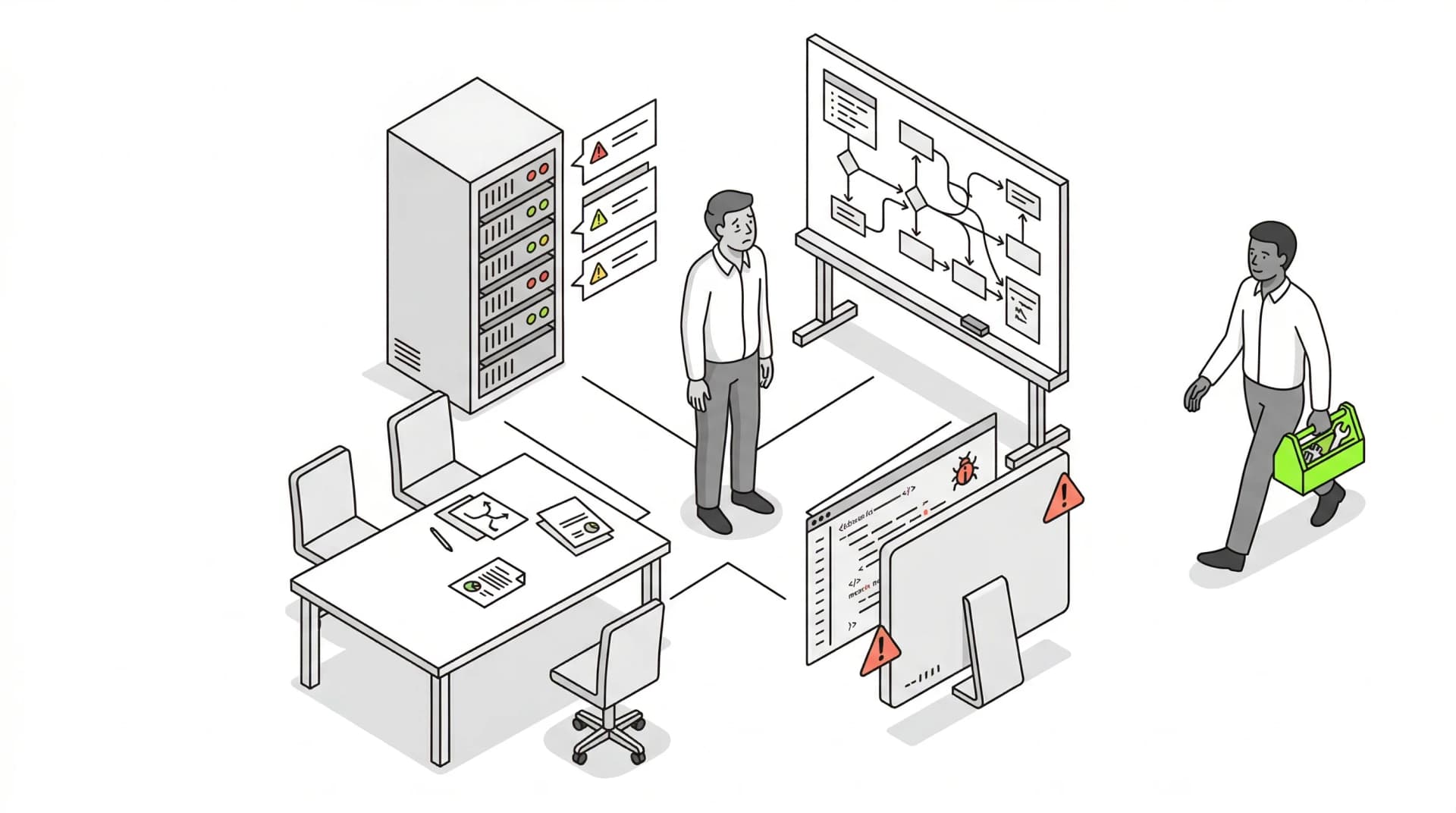
The CTO of a growing company is the loneliest role on the org chart. Overwhelmed between operations and strategy, with no peer to challenge decisions against. Strategic reinforcement exists, and it works.
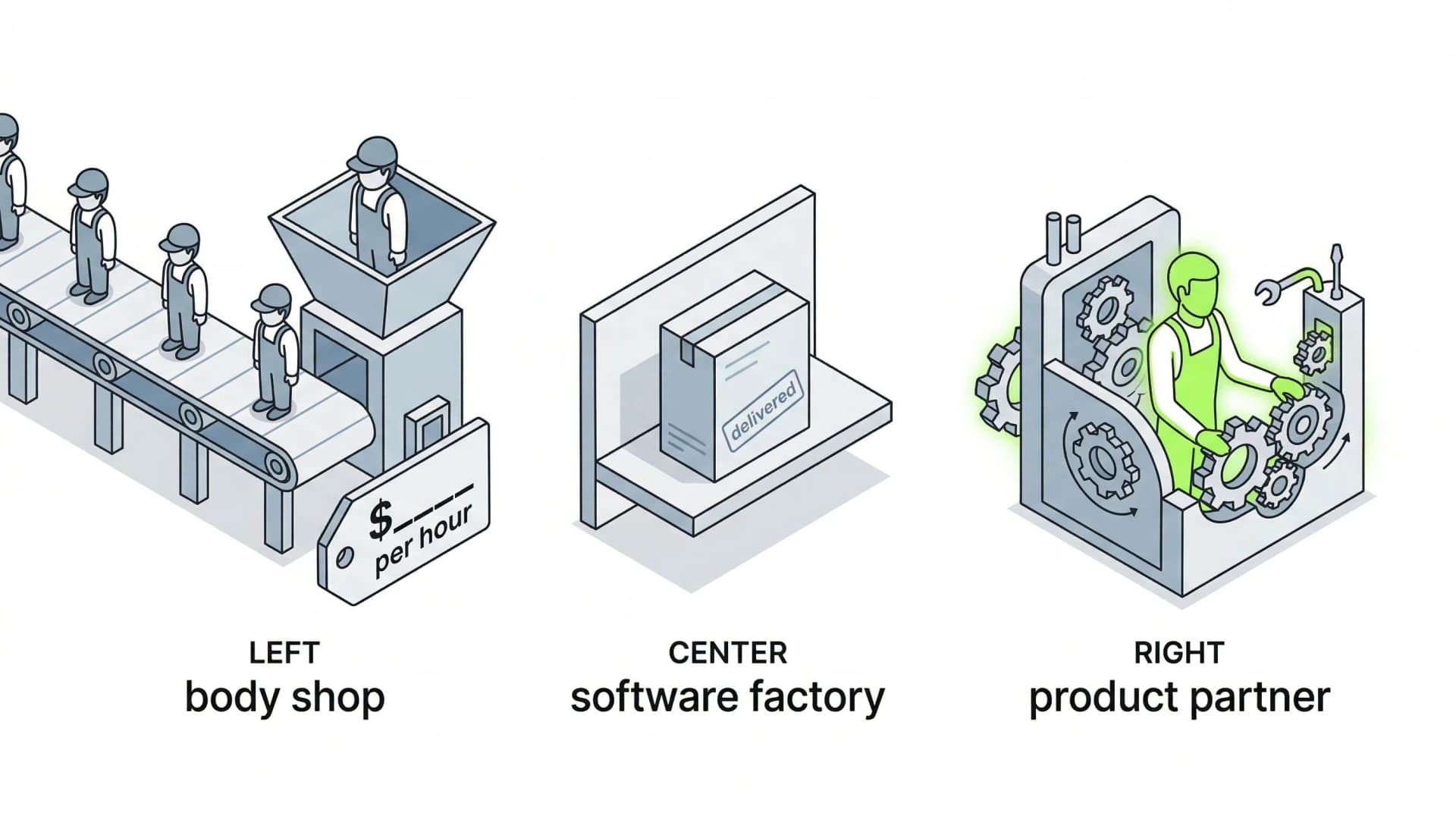
The software market is full of body shops billing hours and calling it consulting. Learn to tell apart vendors who build assets from those who just bill time.
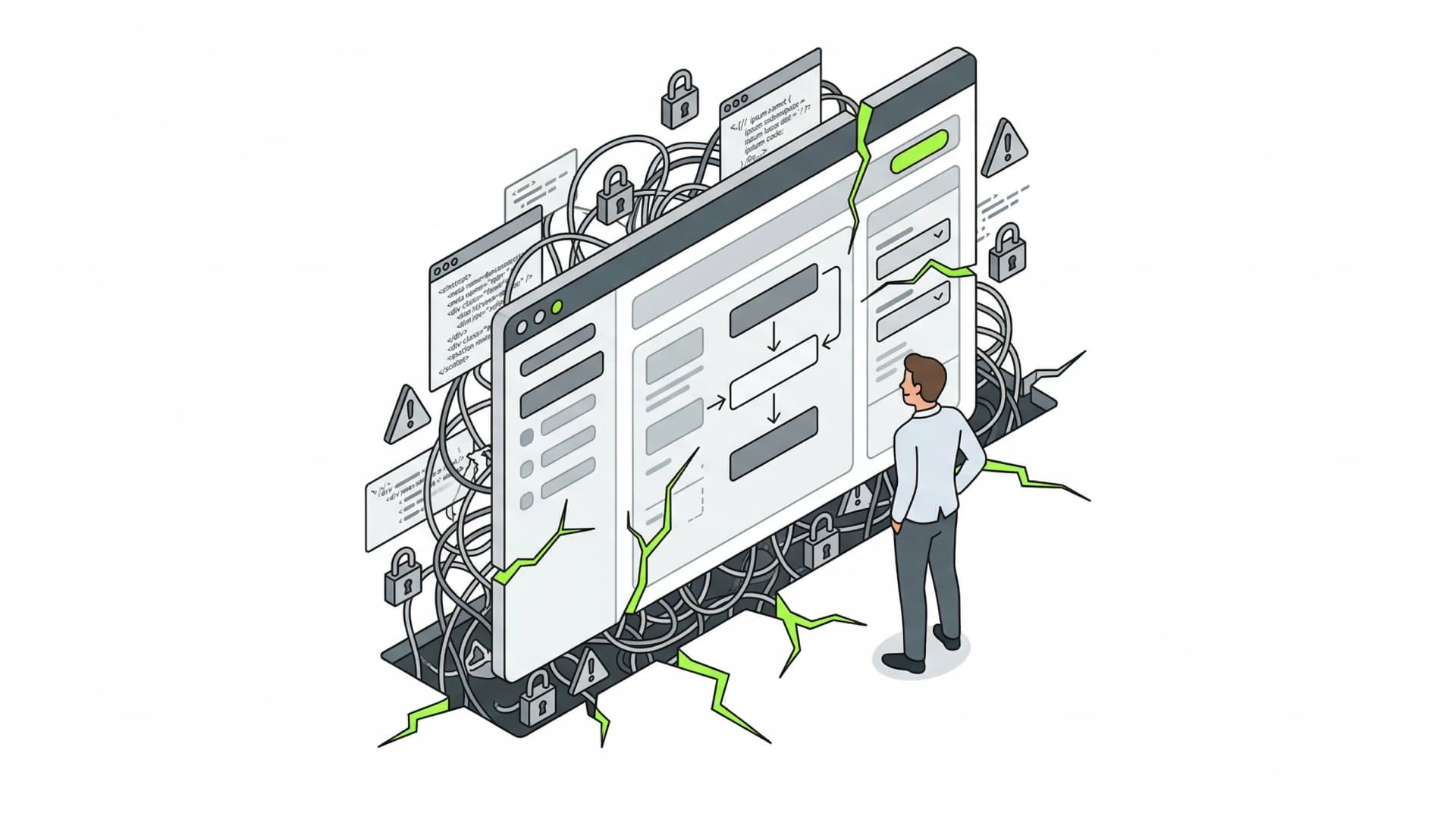
Low-Code platforms hide technical debt under a visual layer you can't audit. We break down when they make sense and when building in your own code is the only viable option.
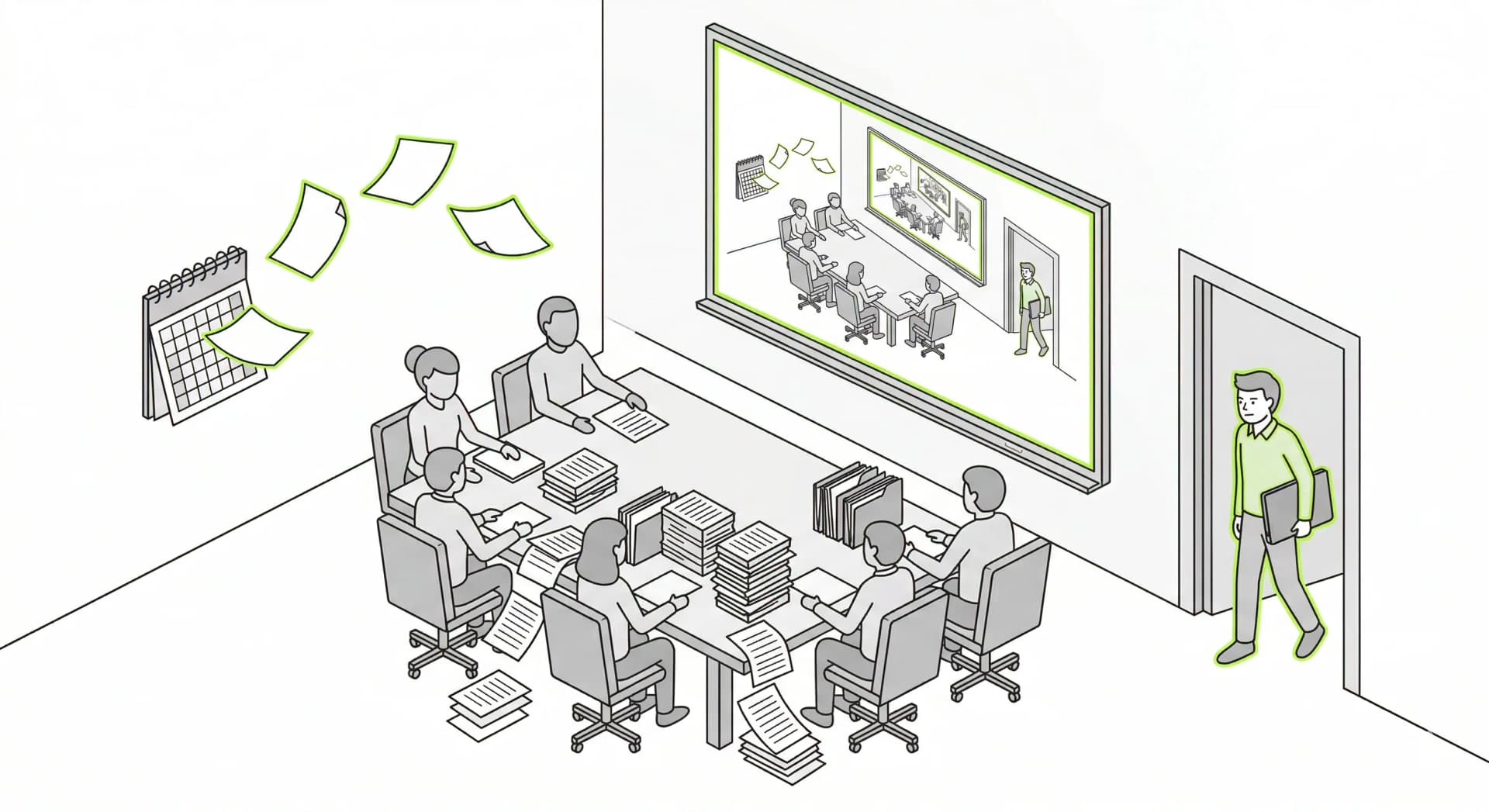
Analysis paralysis kills more projects than imperfect execution. How to recognize the infinite requirements loop and break out before it's too late.
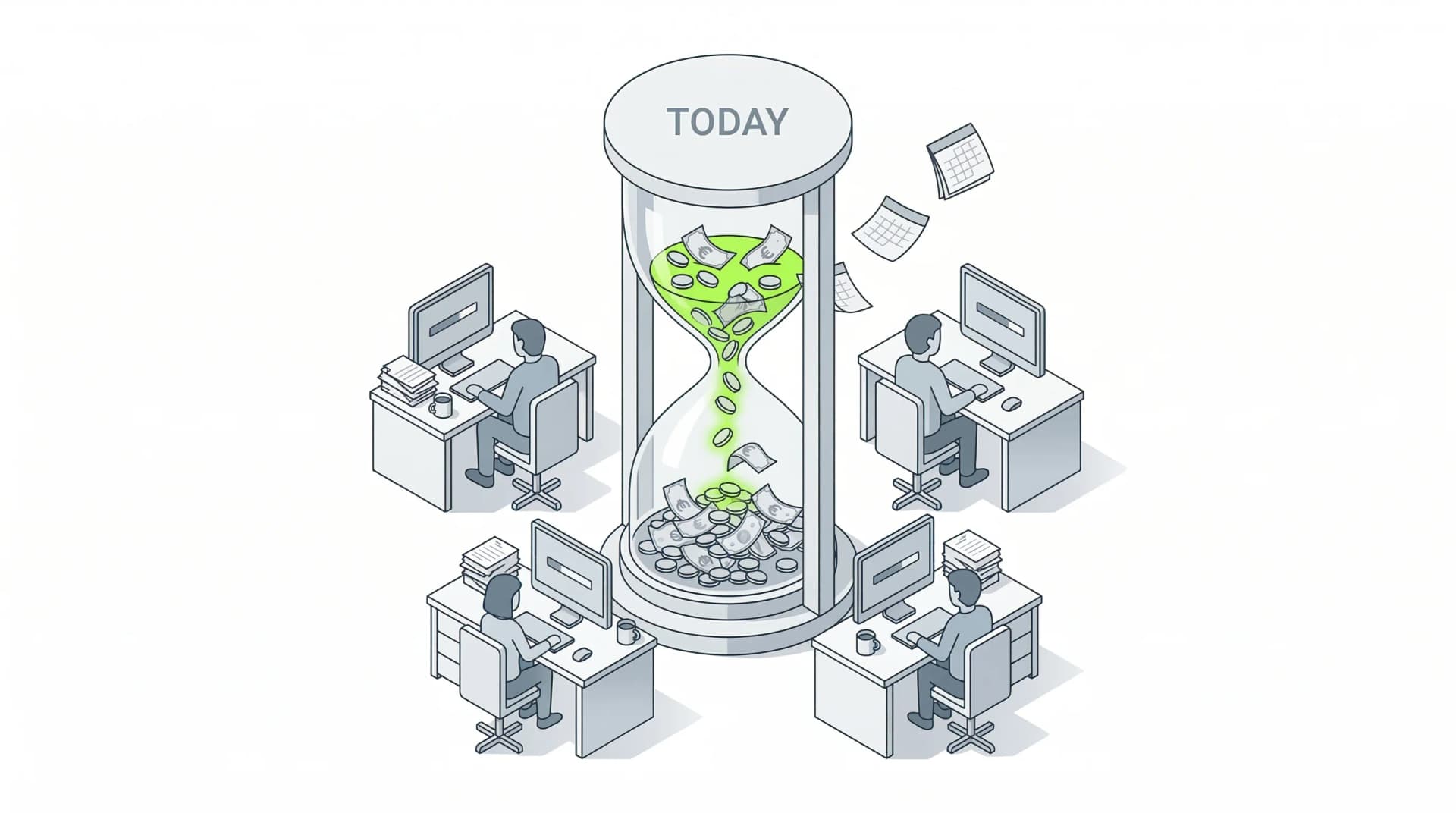
Operational inertia isn't free. Every month you spend not solving a problem has a computable cost that nobody calculates. Here are the numbers missing from your budget.
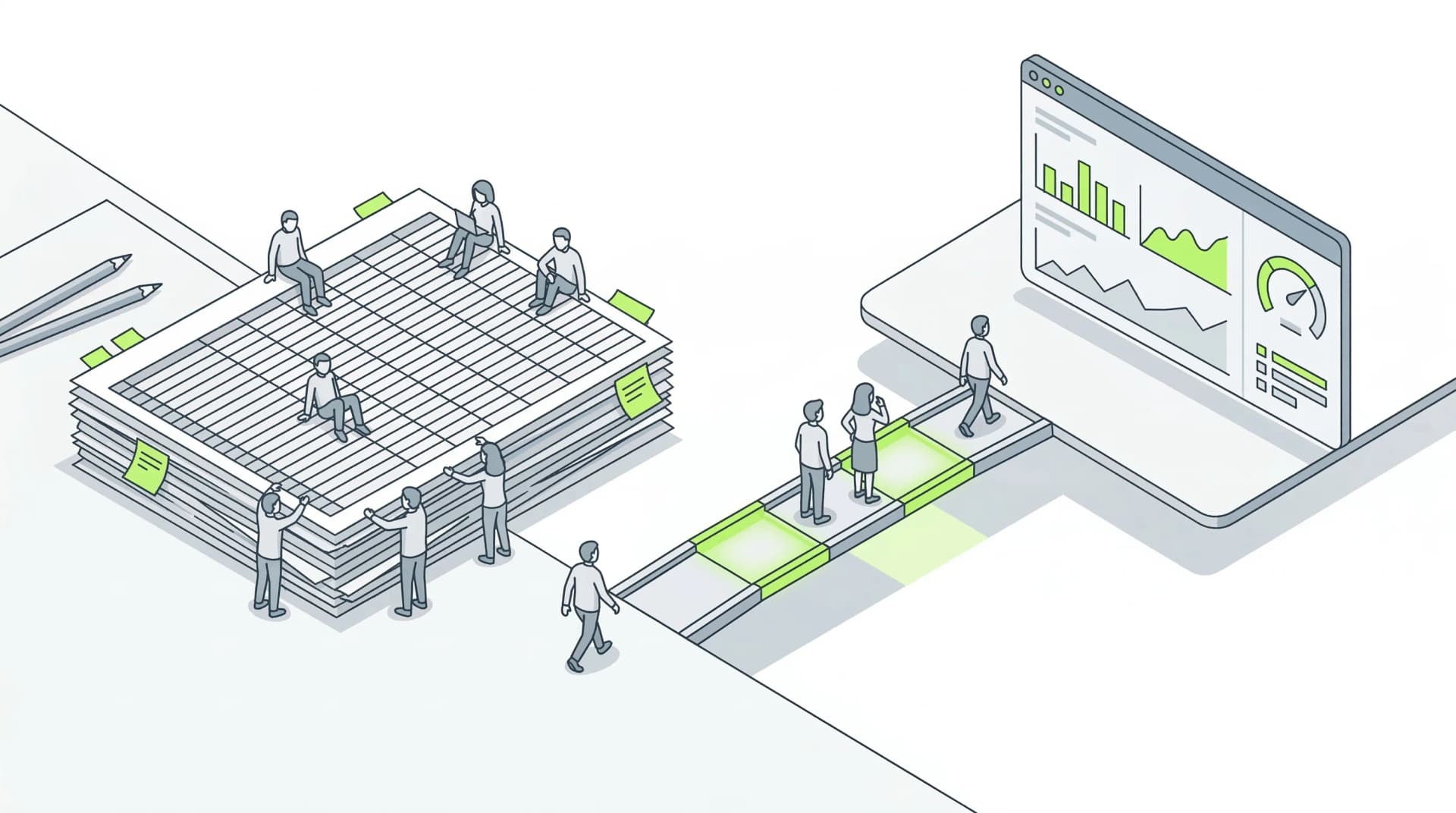
Migrating from Excel to a dashboard sounds simple. Until the team silently boycotts it. The problem was never the spreadsheet — it was ignoring the people who used it.
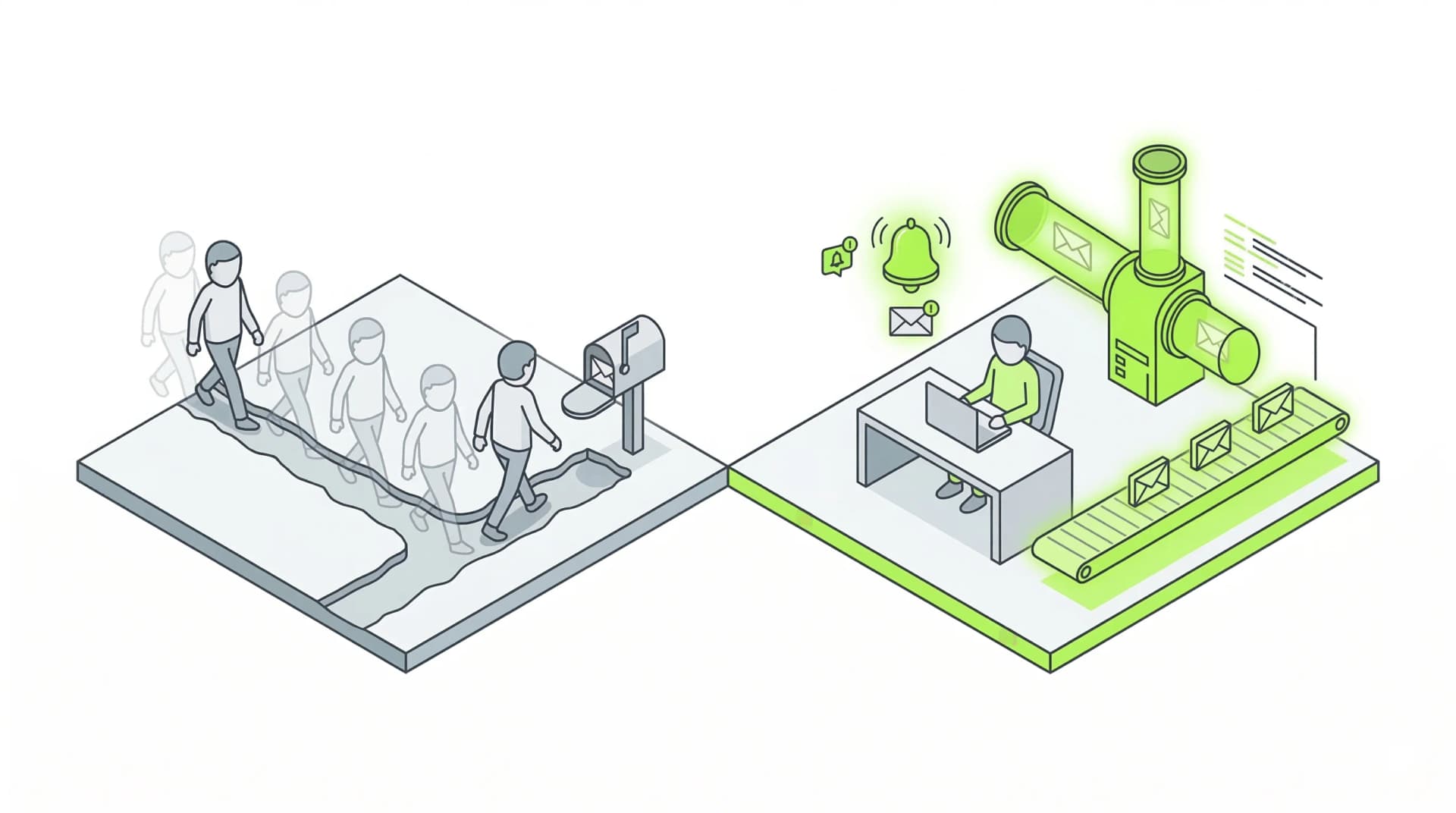
Move from constant polling saturation to event efficiency. Discover how an Event-Driven Architecture (EDA) offers real scalability and faster response times.
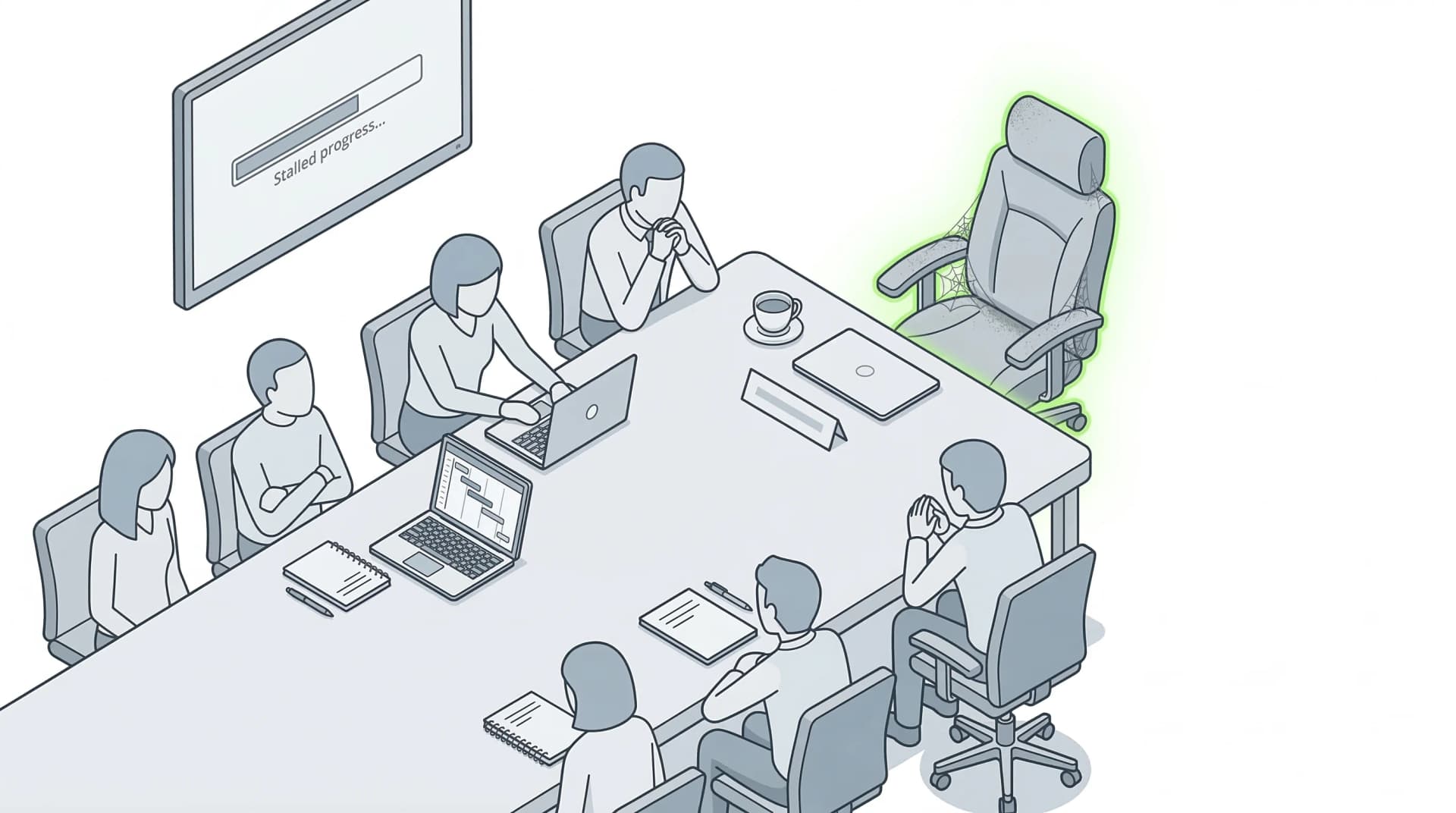
Without an internal leader with skin in the game, your software project is dead before it starts. The absent sponsor is the silent killer of digital transformation.
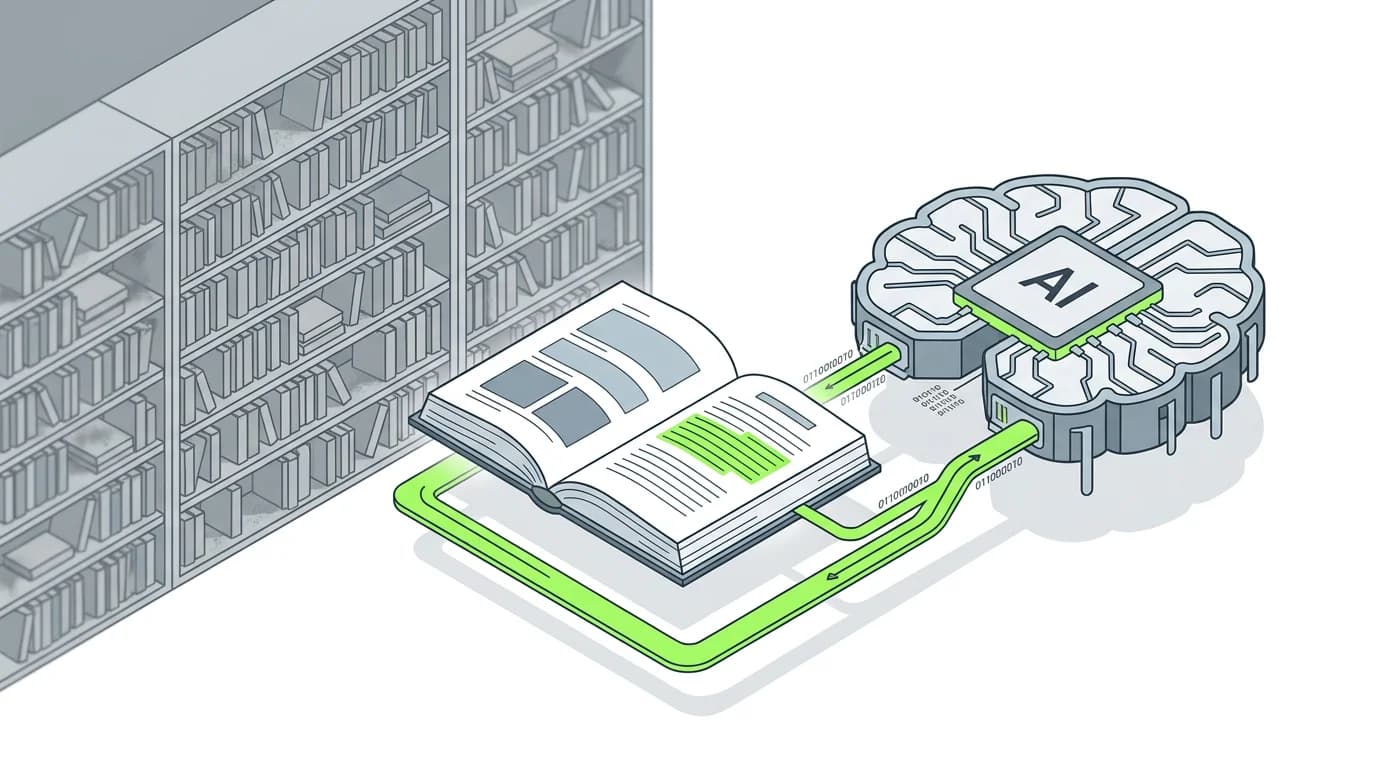
Training a custom AI model is slow, expensive, and quickly outdated. RAG (Retrieval-Augmented Generation) is the real-world architecture that lets LLMs use your private data securely and accurately.
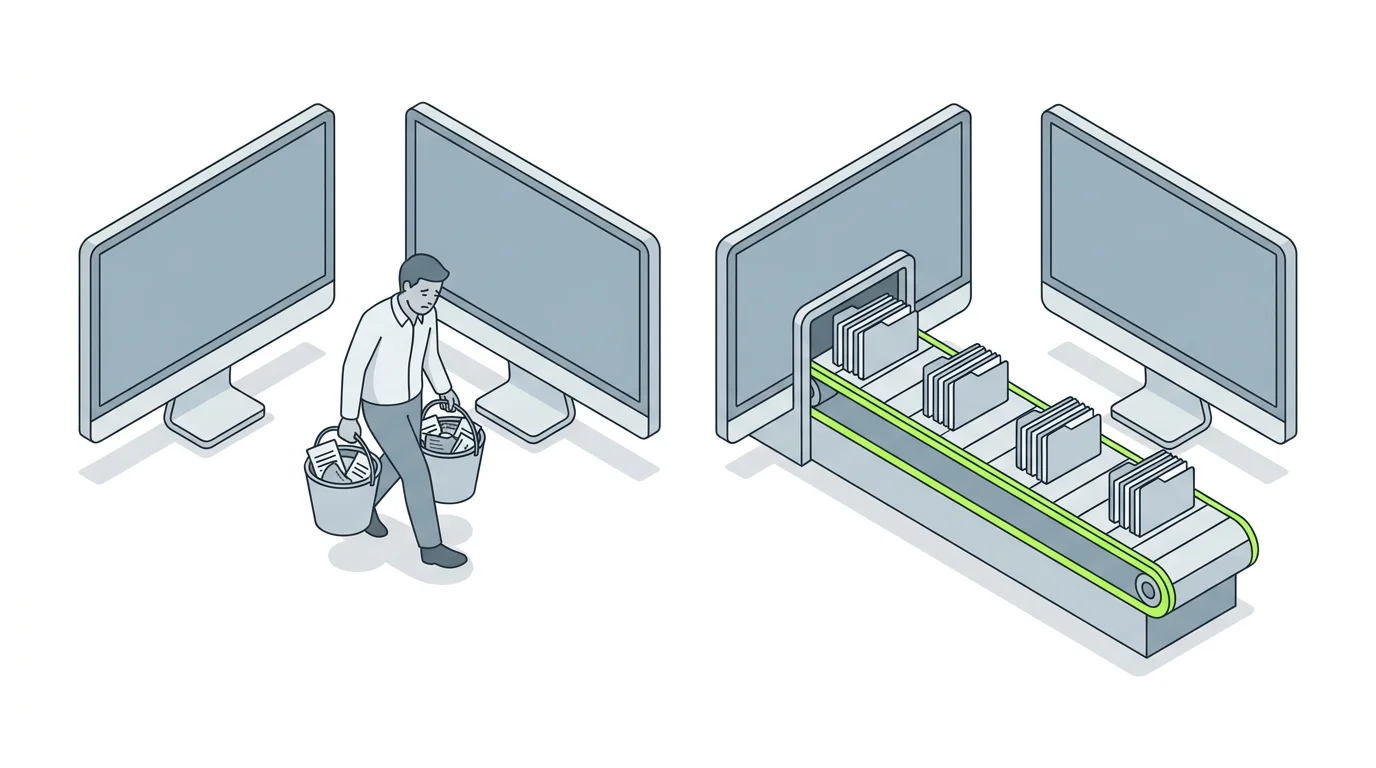
Copy-pasting between systems doesn't look like a problem. Until you calculate what it costs you each year. The arithmetic is devastating and almost always exceeds the cost of custom software.
Custom code is valuable intellectual property. SaaS is operational expenditure that vanishes. Discover why treating software as a capital asset changes the financial game entirely.
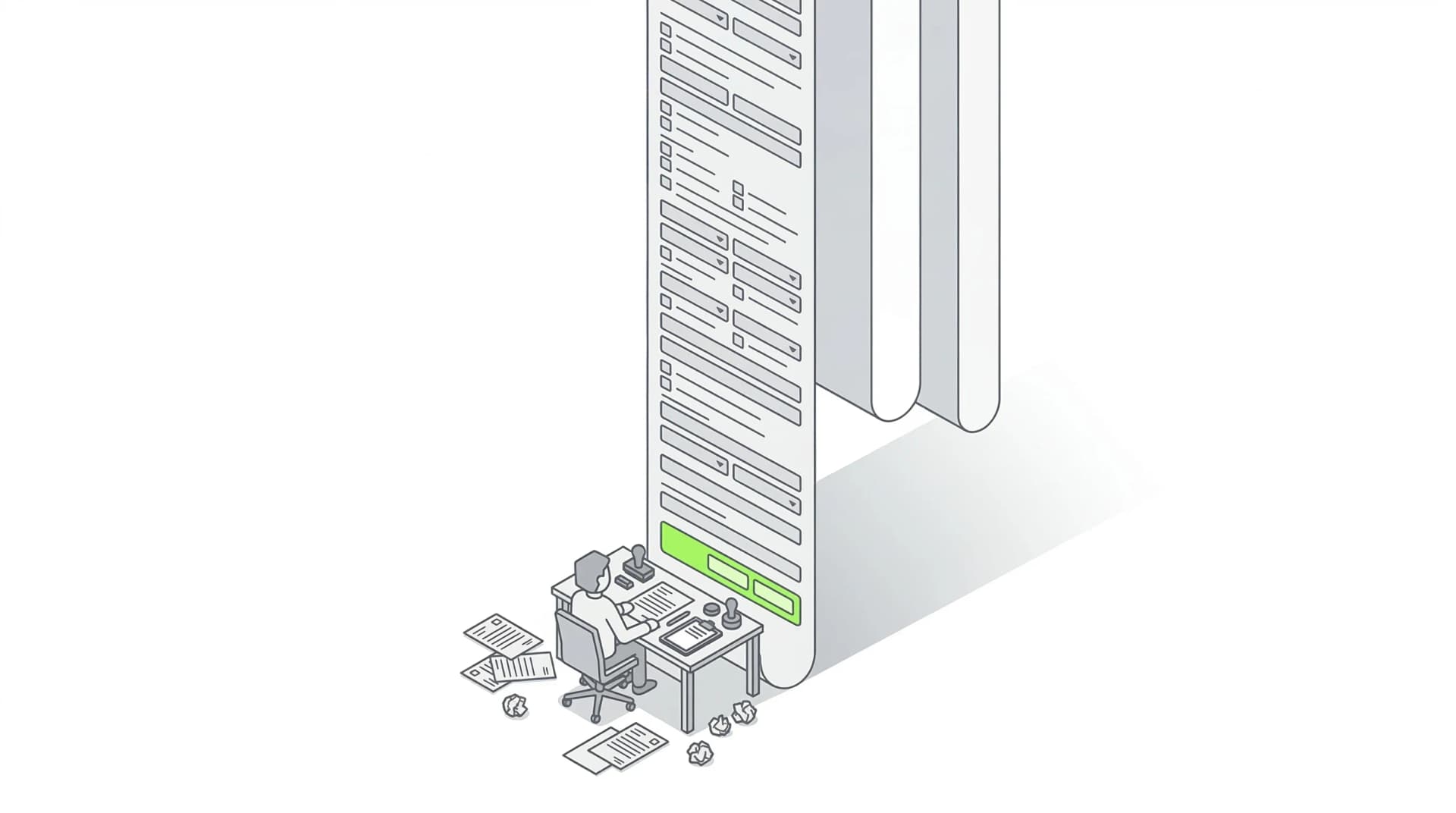
Companies spend millions on customer experience but ignore that their employees use interfaces from the 90s. Every unnecessary field is friction. Every extra click is money lost.
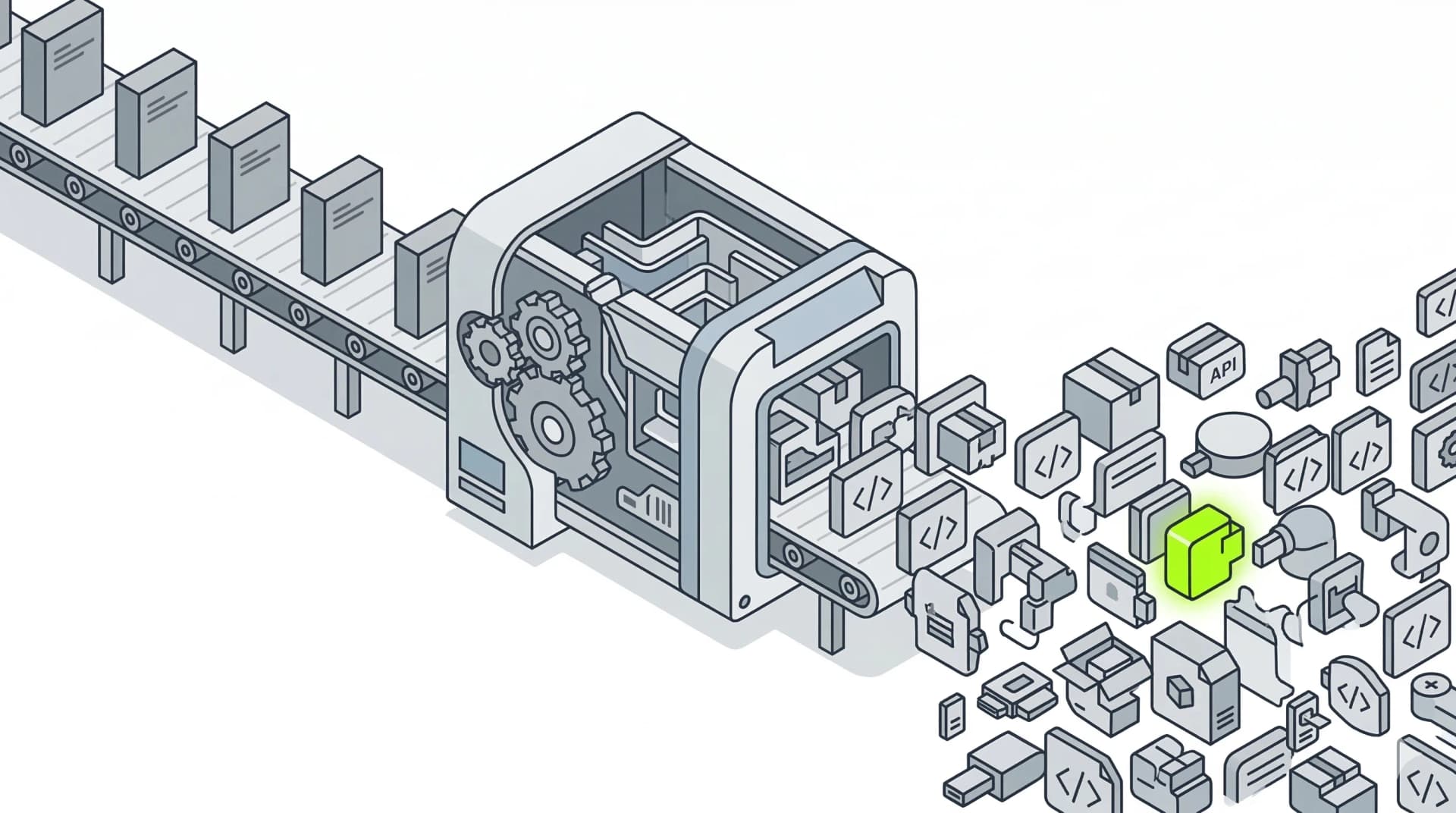
Over the last decade, tech decisions were ruled by 'Don't build what you can rent'. But the economic basis of this decision has broken.
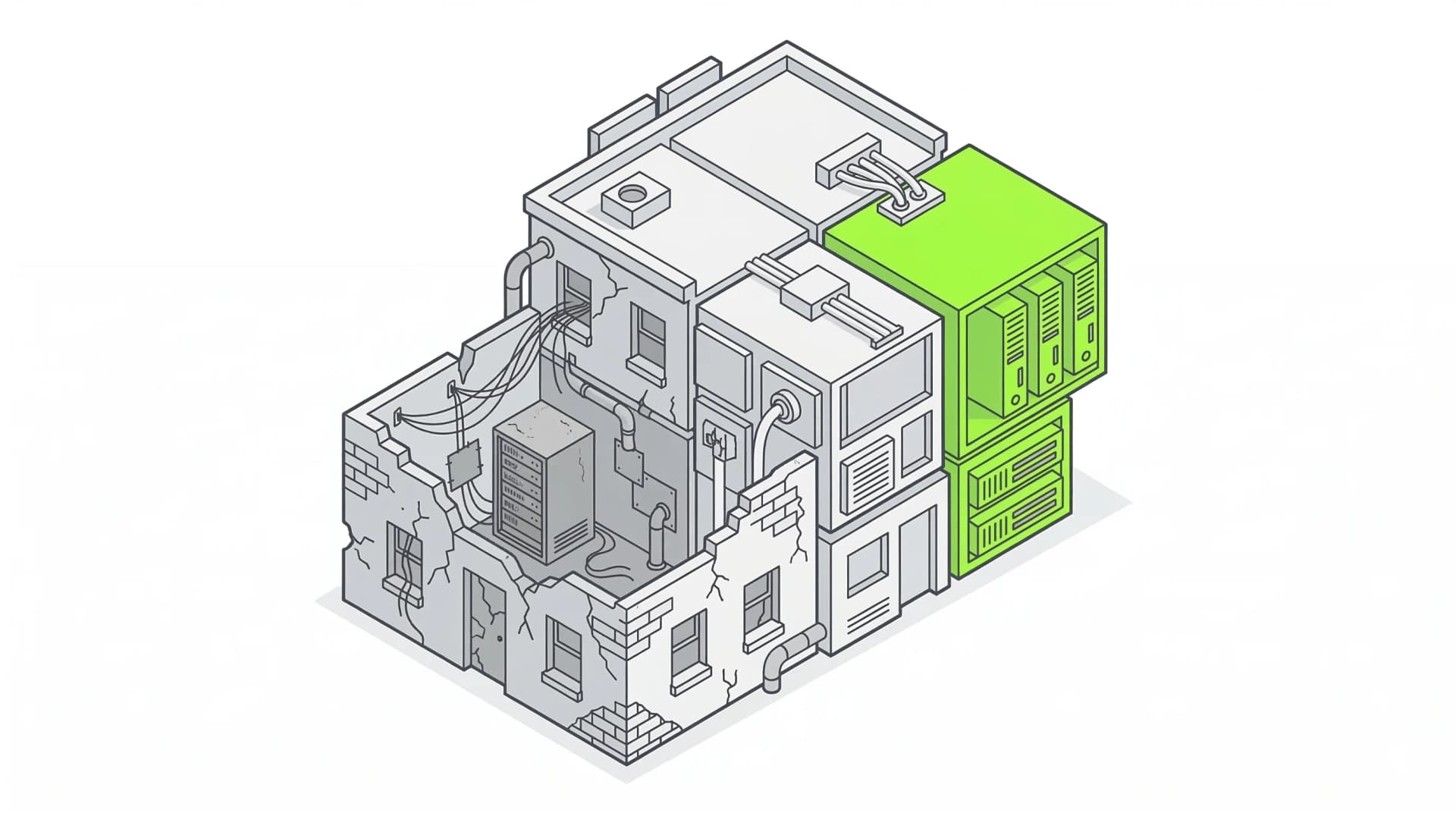
Migrating old systems is scary. Discover how to replace your monolithic software module by module without stopping billing, using the Strangler Fig Pattern.
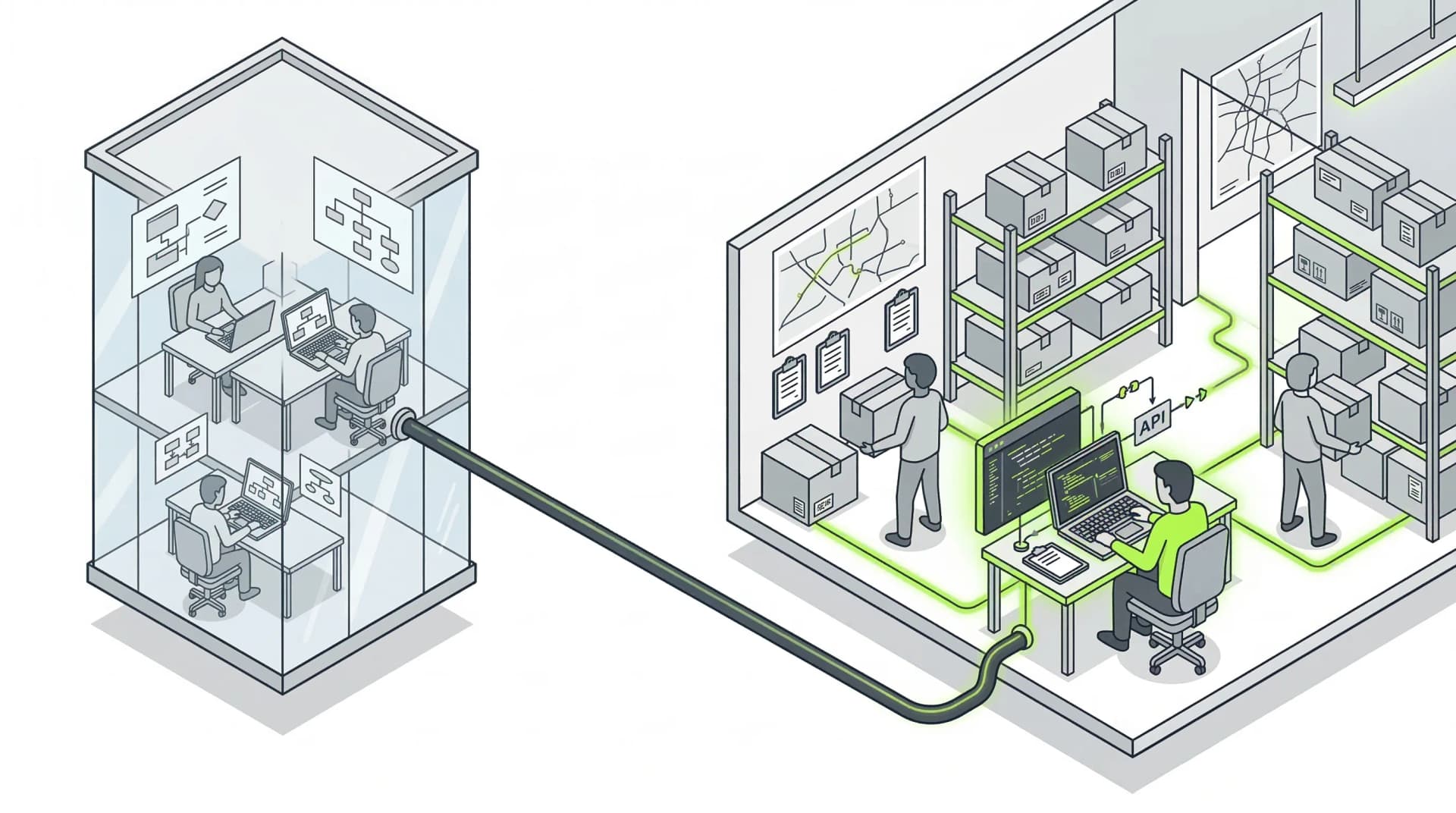
In the world of technological development, methodologies and roles evolve to adapt to market needs. Discover what an FDE is and why it is redefining engineering.
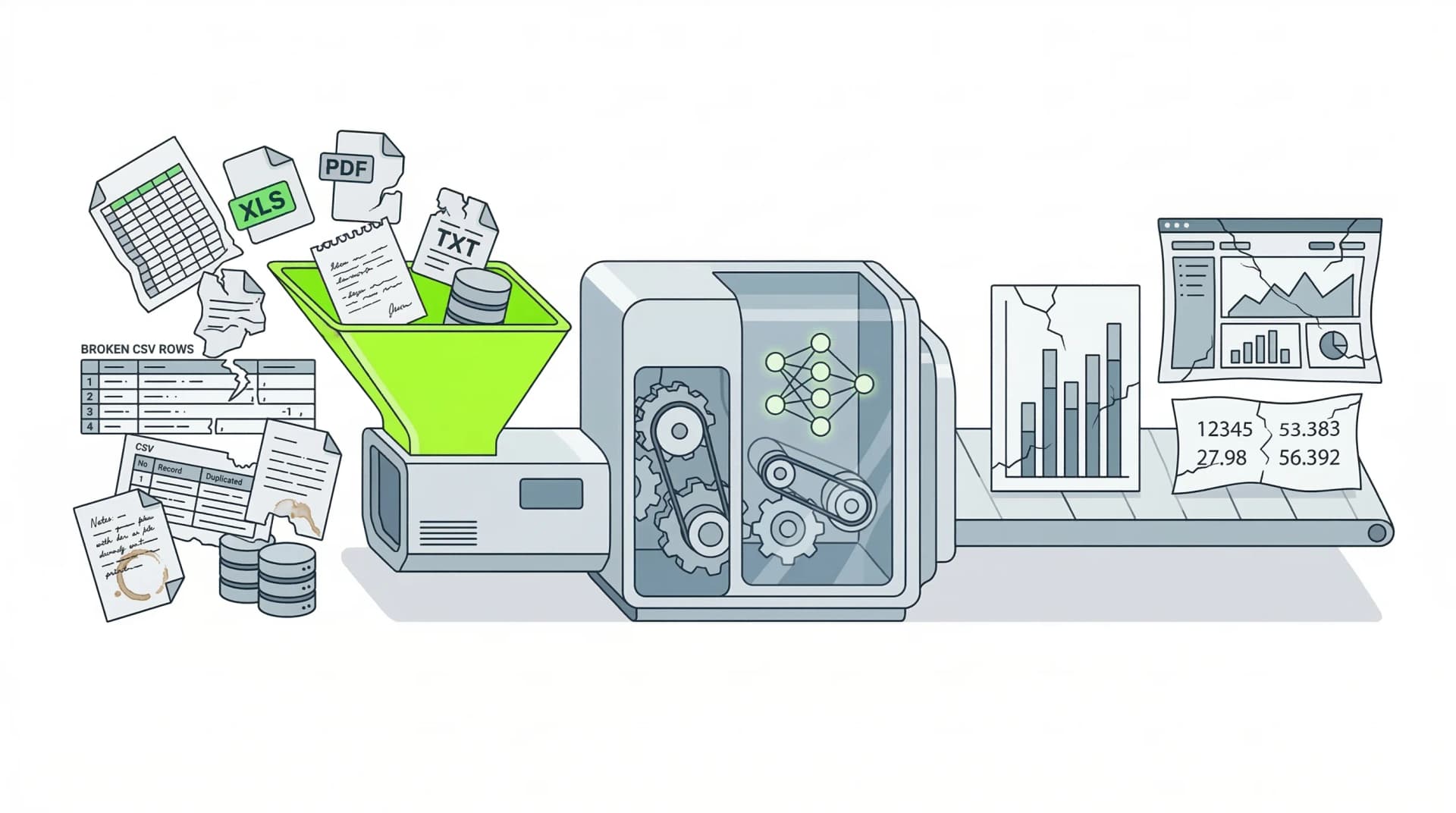
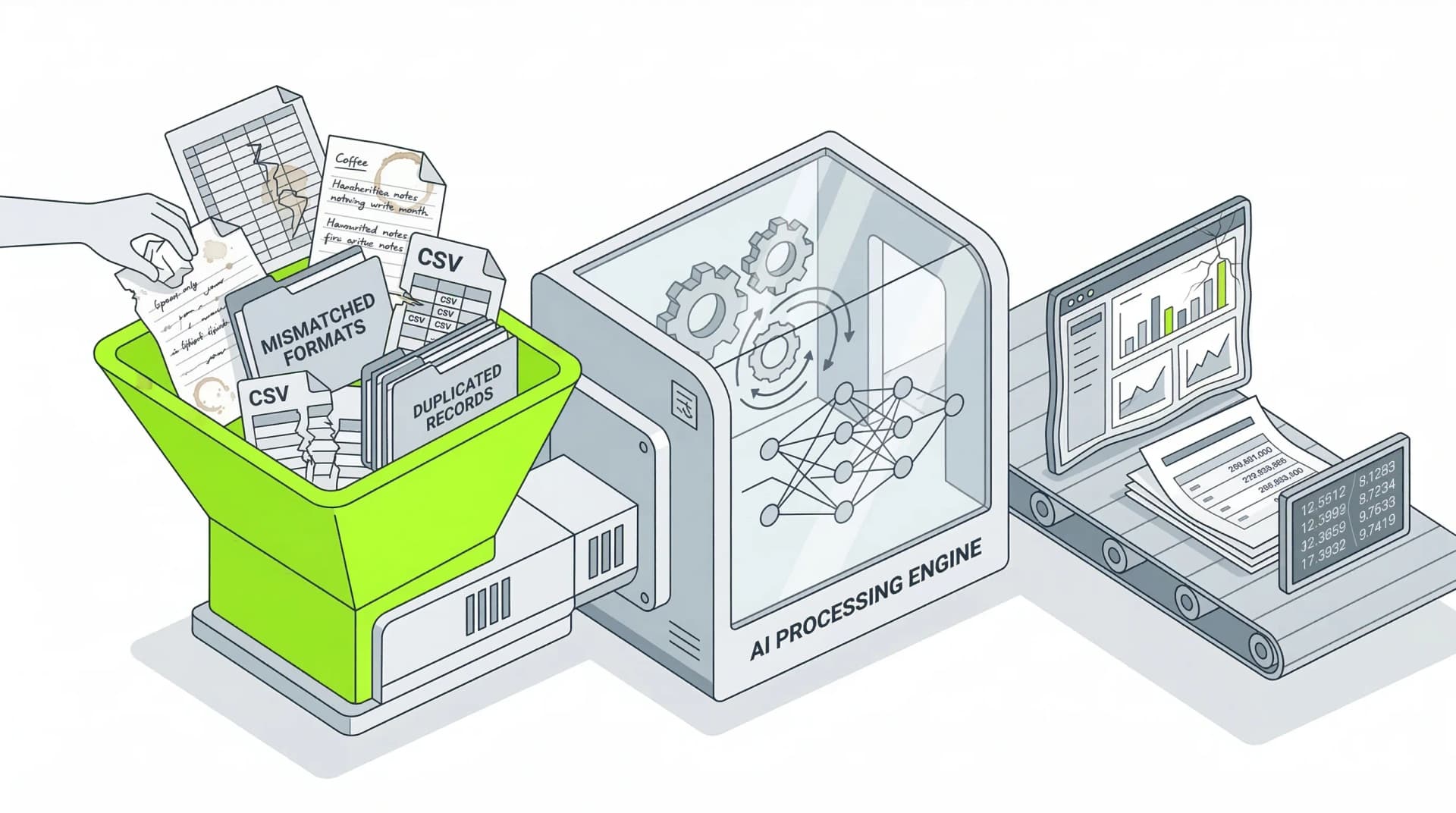
80% of AI projects fail before production. It’s not the model’s fault, nor the hardware. It’s the lack of 'Data Readiness'. Discover the hierarchy of needs no one tells you about.
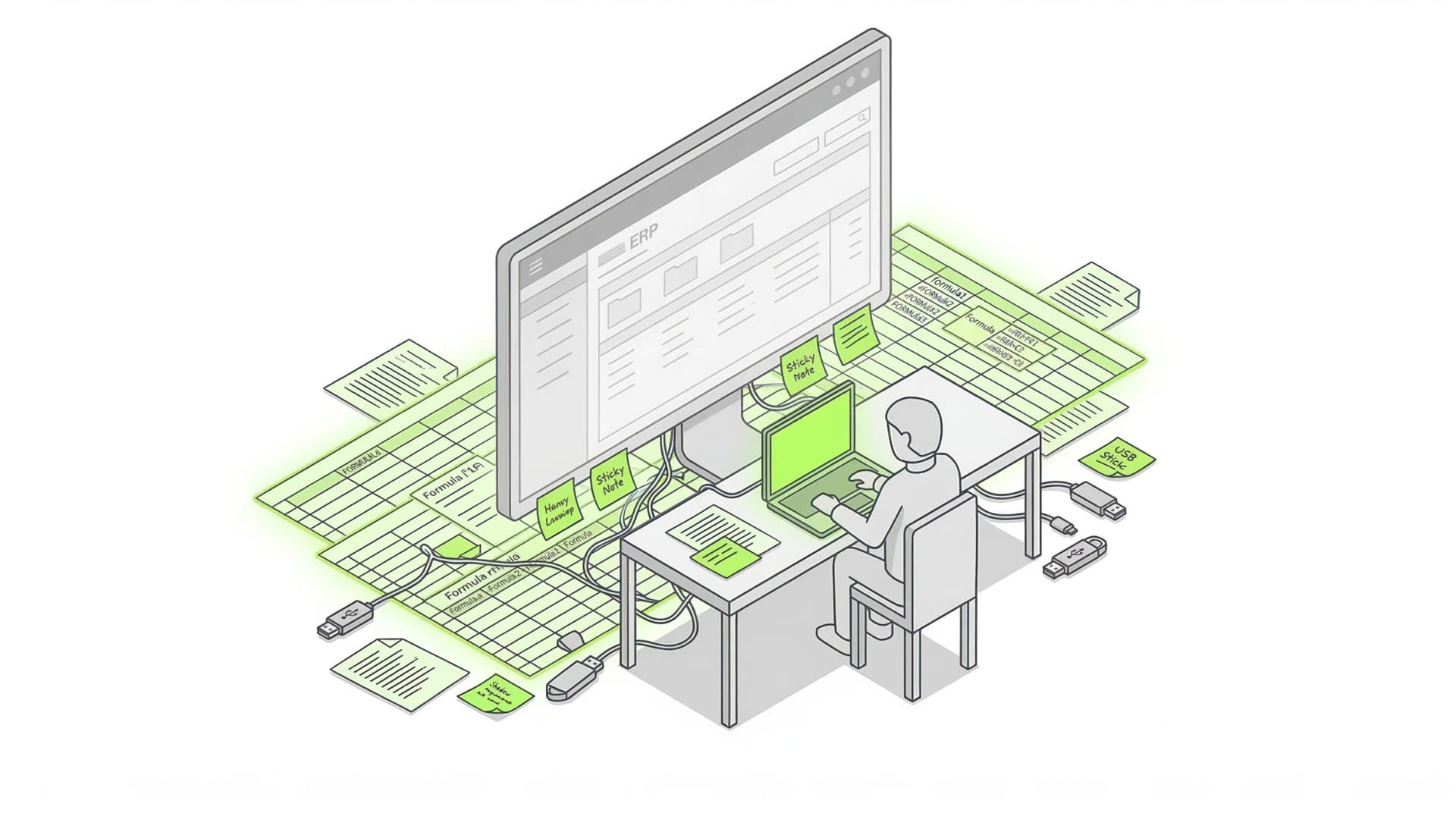
If we were to conduct a forensic audit of the real operations of any medium or large company—beyond what the procedural manuals say—we would find an uncomfortable truth.